Controlling Dynamic Load Transfer in Industrial Floors

Every day, thousands of tons of dynamic traffic cross concrete floor joints. Our continuous sinusoidal systems eliminate wheel impact, ensuring frictionless crossings and permanent joint protection.

Image
Cosinus e-slide joint
Technology Focus

Controlling Dynamic
Load Transfer

The strength of an industrial floor is determined by how its concrete slabs are connected. Discover how HCJ neutralizes wheel impact and distributes extreme loads continuously.

BEFORE: Traditional straight joints

The Problem: Repetitive Impact

When hard-wheeled forklifts cross traditional straight joints, they drop into open gaps. This creates continuous mechanical impacts that trigger a costly cycle of failure.

Rapid Edge Spalling

Concrete edges chip, crack, and break away, accelerating joint deterioration.

Equipment & Tyre Wear

Forklifts suffer continuous shocks, leading to prematurely worn polyutherane wheels, damaged axles, and chassis fatigue.

Discontinuous Dowels

Heavy dynamic loads are concentrated only where dowels are placed, leaving slab edges unsupported.

AFTER: Cosinus Slide® joint

The Solution: Continuous Support

a

While many joints look similar on the surface, the true difference happens below it. The Cosinus Slide® replaces traditional discontinuous dowels with a continuous "Double Slide" load transfer system and 3D anchorage. This unique design transfers significantly more load with far less deformation than any other joint on the market. The result is a durable, safe, and worry-free floor that protects your investment and adapts to any future operational demands.

1

Above the Surface
(Sinus Slide)

The sinusoidal top profile neutralizes wheel impact completely. The wheel never encounters a straight perpendicular gap, remaining continuously supported.

2

Below the Surface
(Cosinus Slide®)

Patented continuous "Double Slide" load transfer system and 3D anchorage.

3

Unmatched
Performance

Transfers significantly more load with far less deformation than any other joint on the market, ensuring a durable, safe, and worry-free floor.

Interactive Cross-Section

The Science of Load Transfer

Under heavy static load (racks) or dynamic load (moving forklifts), concrete edges deform. Drag the load intensity slider to see how traditional dowels crush surrounding concrete compared to our continuous 3D rebar anchorage.

Apply Point Load (F): 0 kN

0% Load 50% 100% (Extreme)
LOAD TRANSFER RATE: 24.4%
VERTICAL DEFORMATION: HIGH
CONCRETE STRESS COEF: CRITICAL
STRUCTURAL STRESS PROFILE VIEW TRADITIONAL DOWEL SYSTEM
SUBGRADE REACTION / SOIL BASE SLAB A (LOADED) SLAB B (SUPPORTING) Local Crushing Risk! Stress Distributed Deeply Wheel Load (F)

Why does this happen?

With plate or bar dowels, Slab A must deflect significantly before transferring load. This point-contact concentrates hundreds of kilograms of stress on tiny zones, crushing the concrete and causing curling edges.

Cosinus Slide® joint

Verified Performance

Whether operating in high-bay logistics centers, 24/7 manufacturing plants, or cold storage facilities, Cosinus Slide® provides unmatched long-term value.

Zero Downtime

Eliminates ongoing joint patching & maintenance shutdowns entirely.

Lowest TCO

Extends forklift lifespan and drastically reduces floor life-cycle costs.

Future-Proof

Designed to support AGVs and heavy robotics with mission-critical stability.

PROVEN IN THE FIELD

Cosinus Slide® in Action


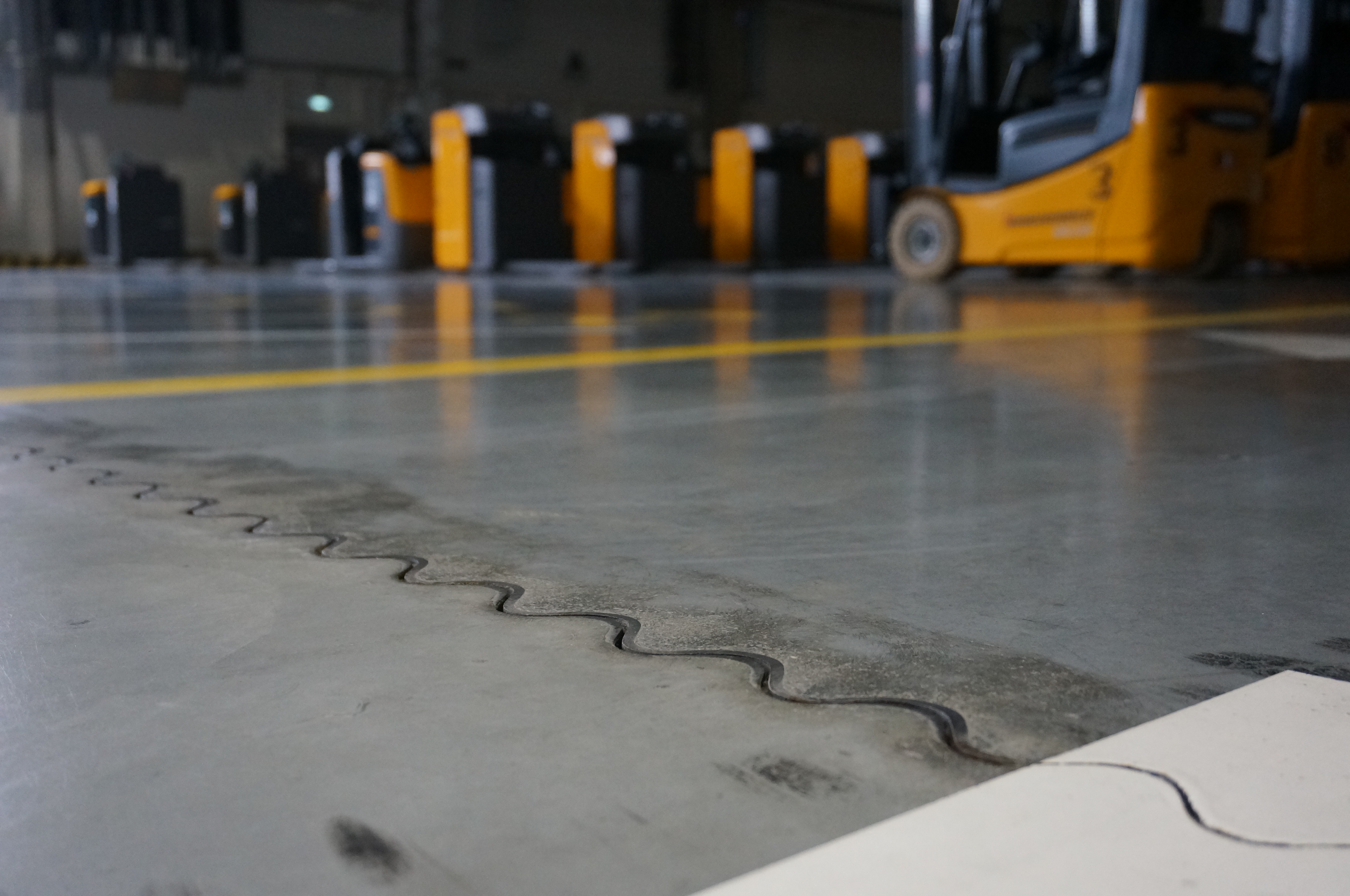
Cosinus Slide® concrete joint installed in a high-traffic logistics warehouse
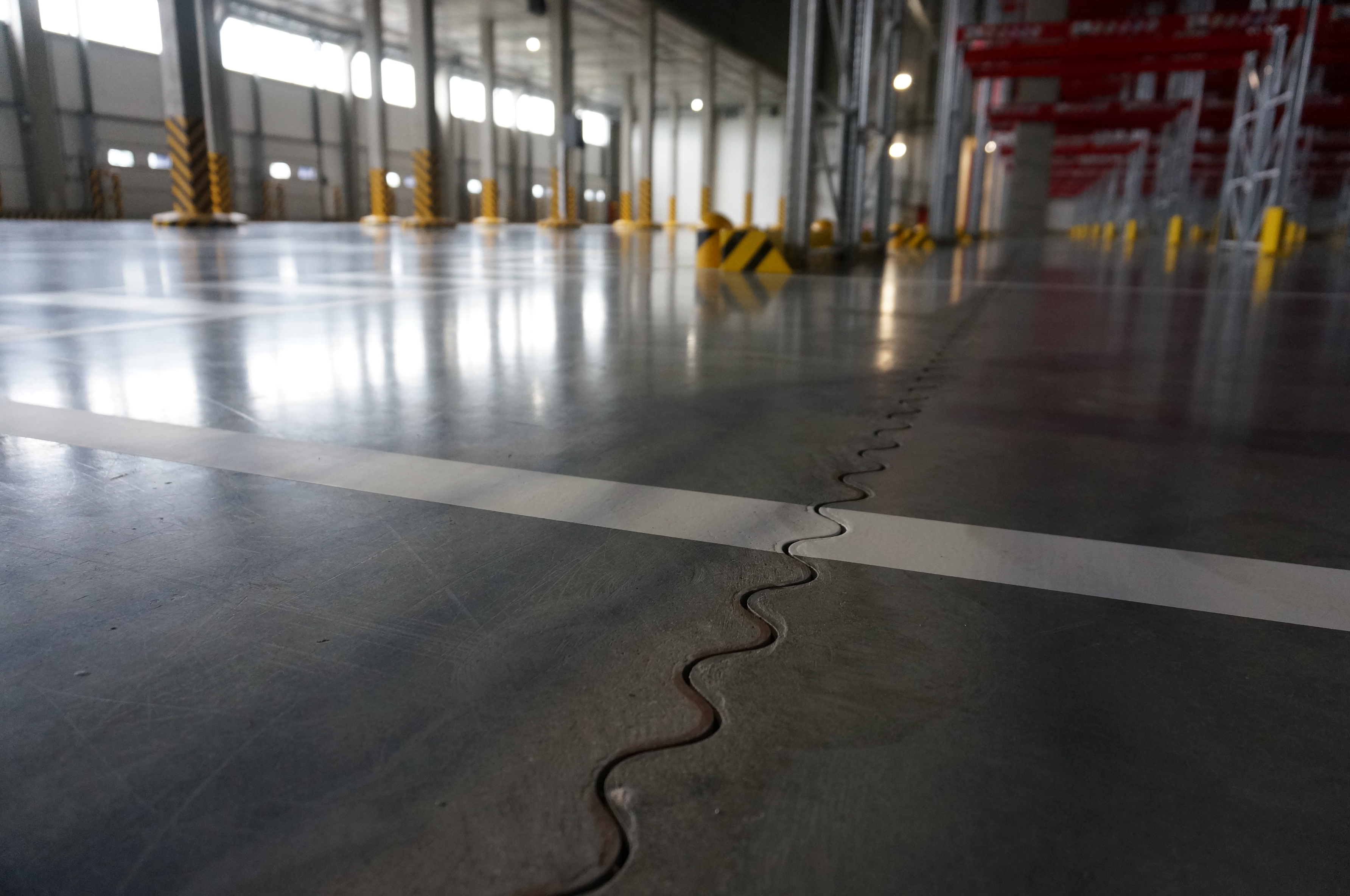
Heavy-duty Cosinus Slide® joint system for manufacturing facility floors
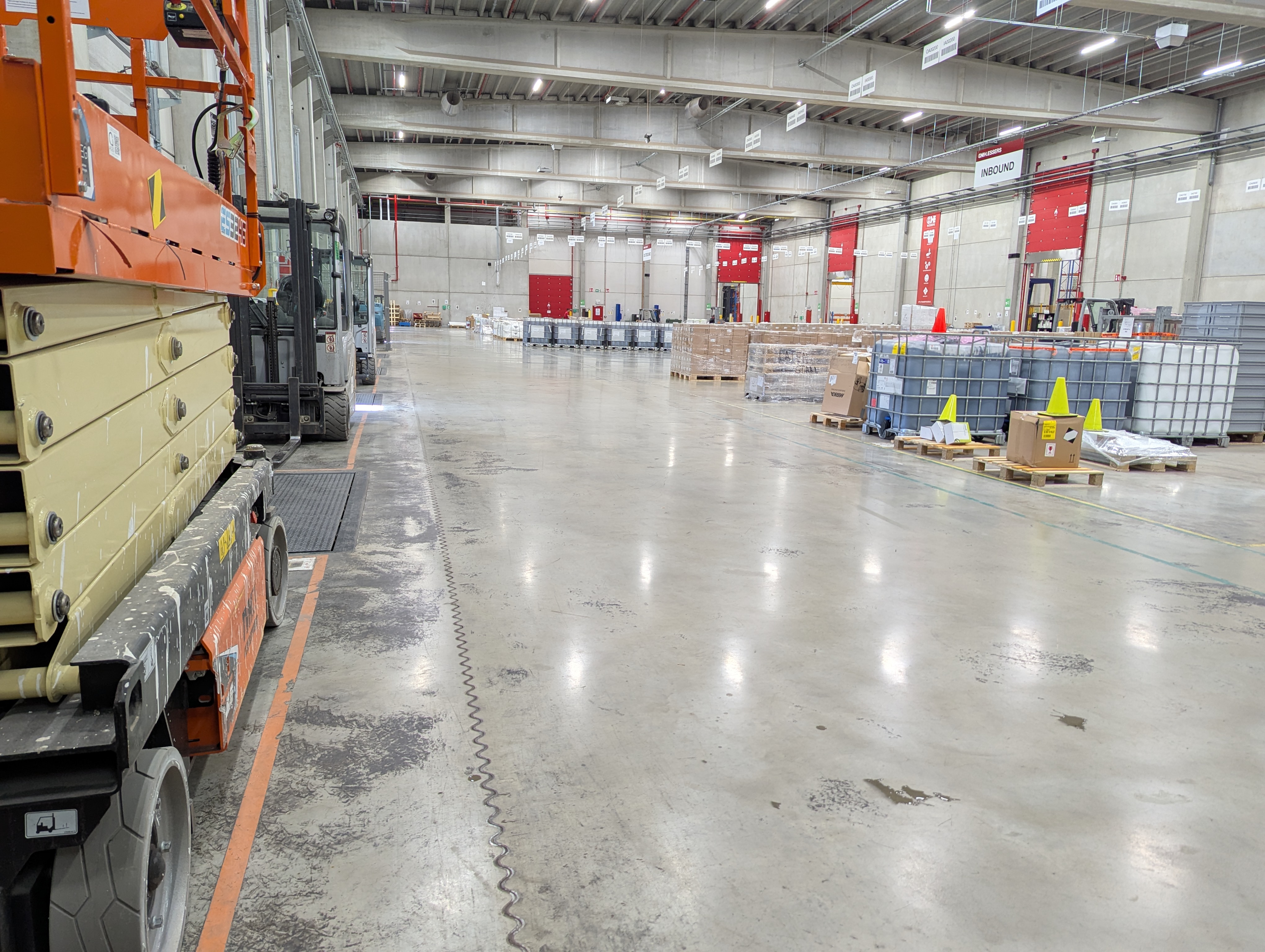
Cosinus Slide® armoured joint maximizing usable floor space for automated warehouses
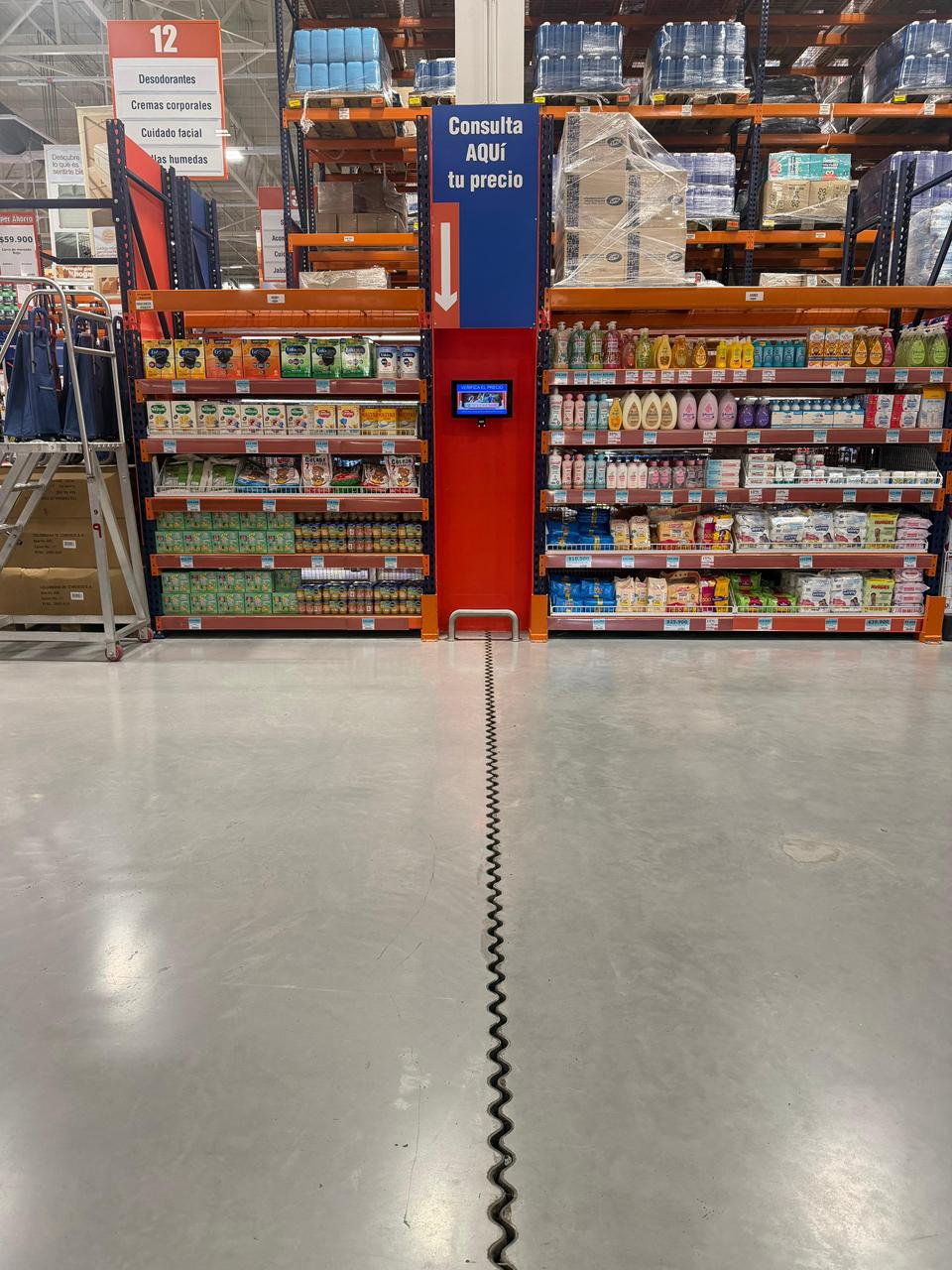
Maintenance-free industrial concrete floor joint with continuous load transfer

Ready to secure your floor's future?