
Reducing Industrial Floor Slab Thickness by 5 cm | Cosinus Slide®
See how Cosinus Slide® continuous load transfer reduced concrete slab thickness by 50 mm in a 31,000 m² facility, saving €61,218 and 309 tonnes of CO₂

How Reducing Floor Slab Thickness by 5 cm Saved €61,200 and 309 Tonnes of CO₂
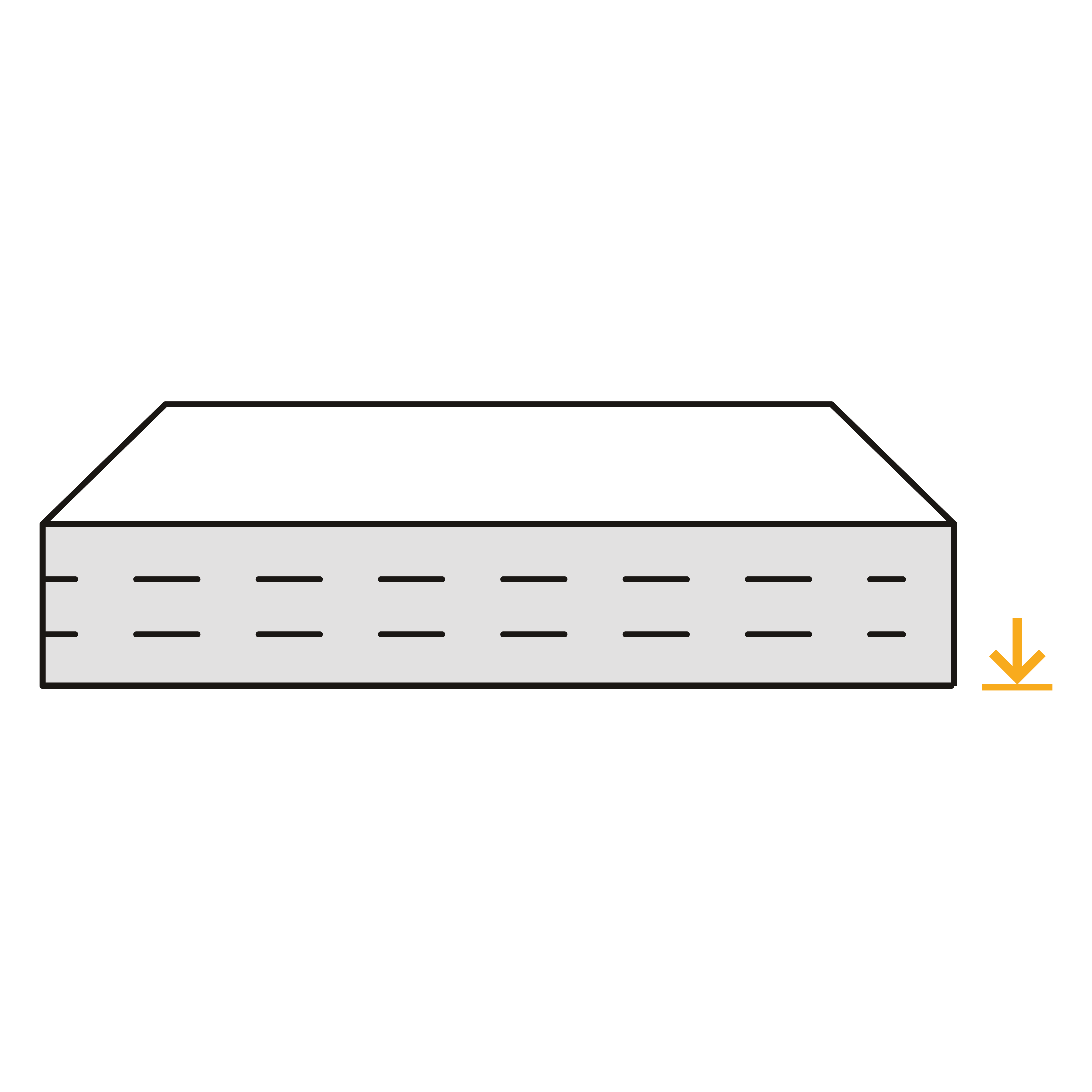
Under heavy 46-tonne forklift traffic, traditional design increases slab thickness. Discover how Cosinus Slide® continuous 3D load transfer allowed structural engineers to downsize concrete thickness from 300 mm to 250 mm without sacrificing safety margins.


The Structural Challenge
The Paradox of Slab Thickness vs. Joint Load Transfer
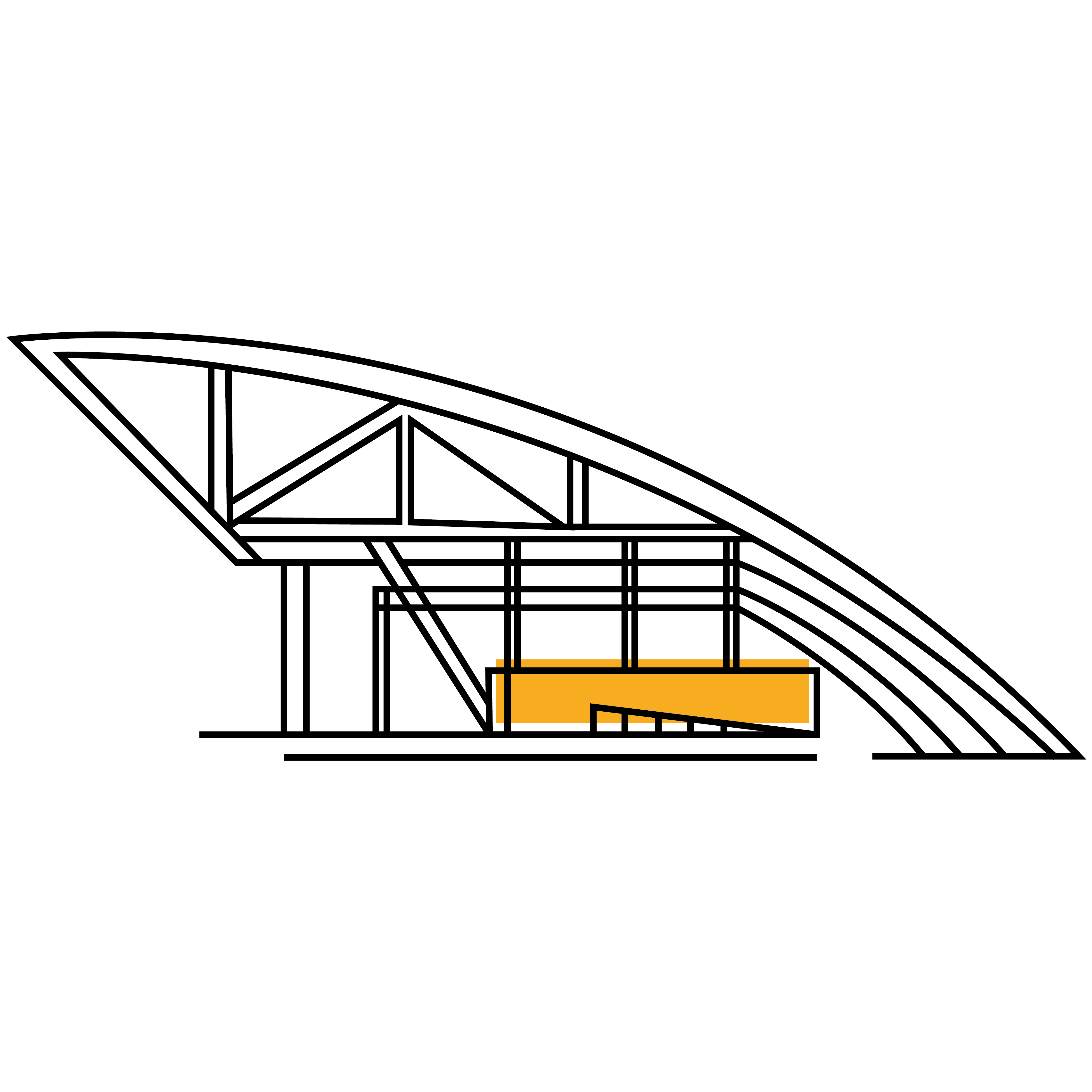
In large manufacturing and logistics facilities, slab depth is frequently governed by the weakest link in the entire floor: the expansion and construction joints.
When massive 46-tonne industrial forklift trucks (such as the Italcarrelli PTN 330 with 170 kN wheel loads) cross conventional straight or standard sinusoidal joints, isolated dowel plates create intense stress spikes. This creates a high risk of concrete bursting, edge crushing, and joint spalling.
To ensure traditional dowelled joints could handle these concentrated wheel loads, the original structural design specified a 300 mm thick slab across the entire 31,000 m² facility.
💡 The Engineering Breakthrough: A structural verification according to TR34 (4th Ed.) proved that by implementing the continuous 3D load transfer of Cosinus Slide® 205/300 (reliably transferring over 43% of the extreme wheel load), the required slab depth could be safely optimized to 250 mm while maintaining a full 20% safety margin.
Continuous 3D double sinus corbels eliminate point-dowel bursting risk.
Cost & Environmental Audit
Initial Specification vs. Cosinus Slide® Solution
Parameter / Material Component | Initial Solution (Traditional Wave) | New Solution (Cosinus Slide® 205/300) | Difference & Savings |
|---|---|---|---|
Concrete Slab Thickness | 300 mm | 250 mm | -50 mm (-16.7%) |
Ready-Mix Concrete (C 30/37) | 0.30 m³ / m² (9,300 m³) | 0.25 m³ / m² (7,750 m³) | -0.05 m³/m² (-1,550 m³) |
Steel Fiber Reinforcement (25 kg/m³) | 7.50 kg / m² (232.5 t) | 6.25 kg / m² (193.8 t) | -1.25 kg/m² (-38.8 t) |
Mesh / Rebar Layer (Ø7 mm @ 150 mm) | 4.03 kg / m² (1 Layer) | 4.03 kg / m² (1 Layer) | Unchanged |
Armoured Joint Profile (1,936 linear meters) | Standard Specification | Cosinus Slide® 205/300 | Continuous 3D Load Transfer (Upgrade) |
Total Material Cost per m² | €30.48 / m² | €28.50 / m² | -€1.98 / m² Net Saving |
Total Project Cost (31,000 m²) | €942,430.00 | €881,211.14 | €61,218.86 Net Cash Saved |
Concrete Embodied Carbon (200 kg CO₂/m³) | 1,856.4 tonnes CO₂ | 1,547.0 tonnes CO₂ | -309.4 tonnes CO₂ (-16.7%) |
* Net Savings Note: The +€2.33/m² joint system investment is completely offset by the -€4.31/m² reduction in concrete volume and steel fiber, yielding -€1.98/m² direct net savings (€61,218.86 total project savings).
Interactive Estimator
Calculate Your Concrete & Carbon Savings
Adjust the project parameters below to see how much concrete volume, steel reinforcement, financial cost, and carbon emissions you can eliminate.
Auto-Matched
▼
1. Decisive Design Actions (Italcarrelli PTN 330 Forklift)
- Total gross weight: 46.0 tonnes · Single dynamic wheel load: 170.0 kN (17 tonnes)
- Tire contact pressure: 3.40 N/mm² · Decisive shear load at joint: v_Ed,max = 62.01 kN/m
2. Ultimate Limit State (ULS) Verification
3. SLS Vibration & Zero Impact
The continuous double sinusoidal steel surface guarantees zero wheel impact (F_impact = 0), compliant with EU Directive 2002/44/EC (vibration protection) and ETA 21/0658.
Beyond Material Savings
Long-Term Operational & Lifecycle Benefits
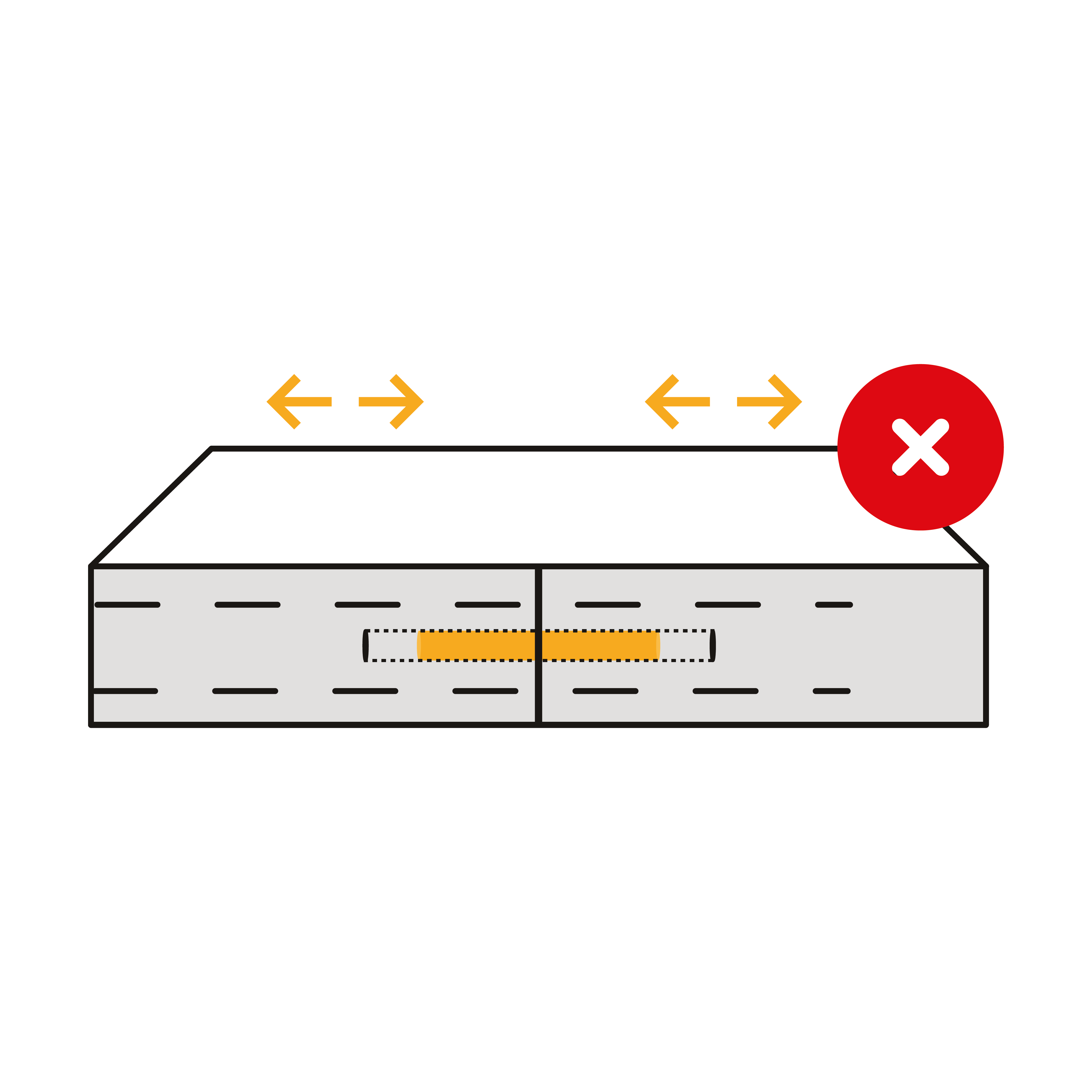
No Dowel Bursting Risk
Eliminates point-source dowels entirely. Continuous 3D concrete consoles distribute stress along the whole joint, preventing edge bursting and costly repairs.

Shock-Free Forklift Transit
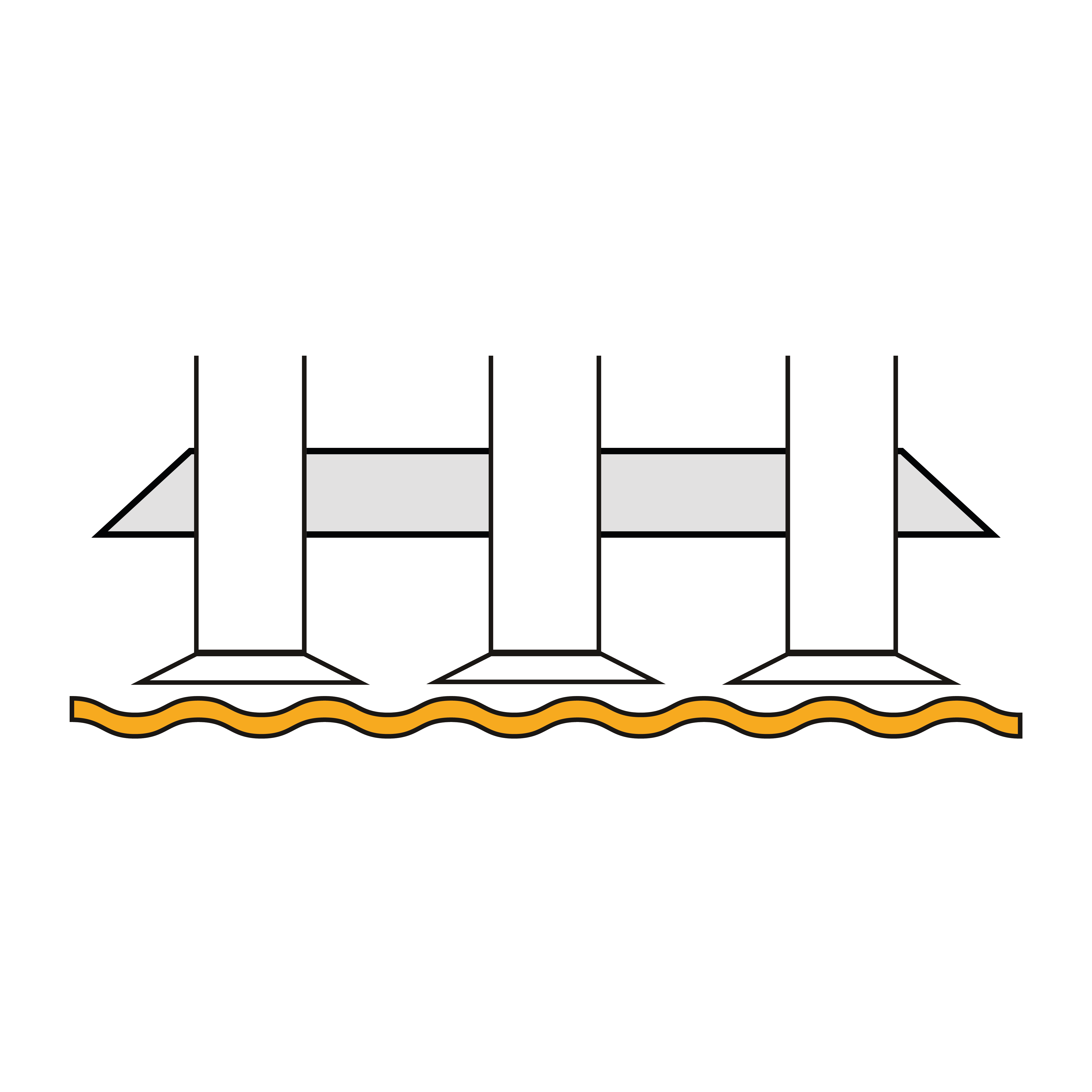
The sinus-wave surface ensures wheels never fall into a gap. Smooth gliding eliminates tire wear, protects driver health (2002/44/EC), and lowers TCO.
Total Warehouse Layout Freedom
Unmatched load transfer allows heavy high-bay racking and concentrated point loads to be placed anywhere on the floor slab, including directly next to or across construction joints.