Controlling Dynamic Load Transfer in Industrial Floors
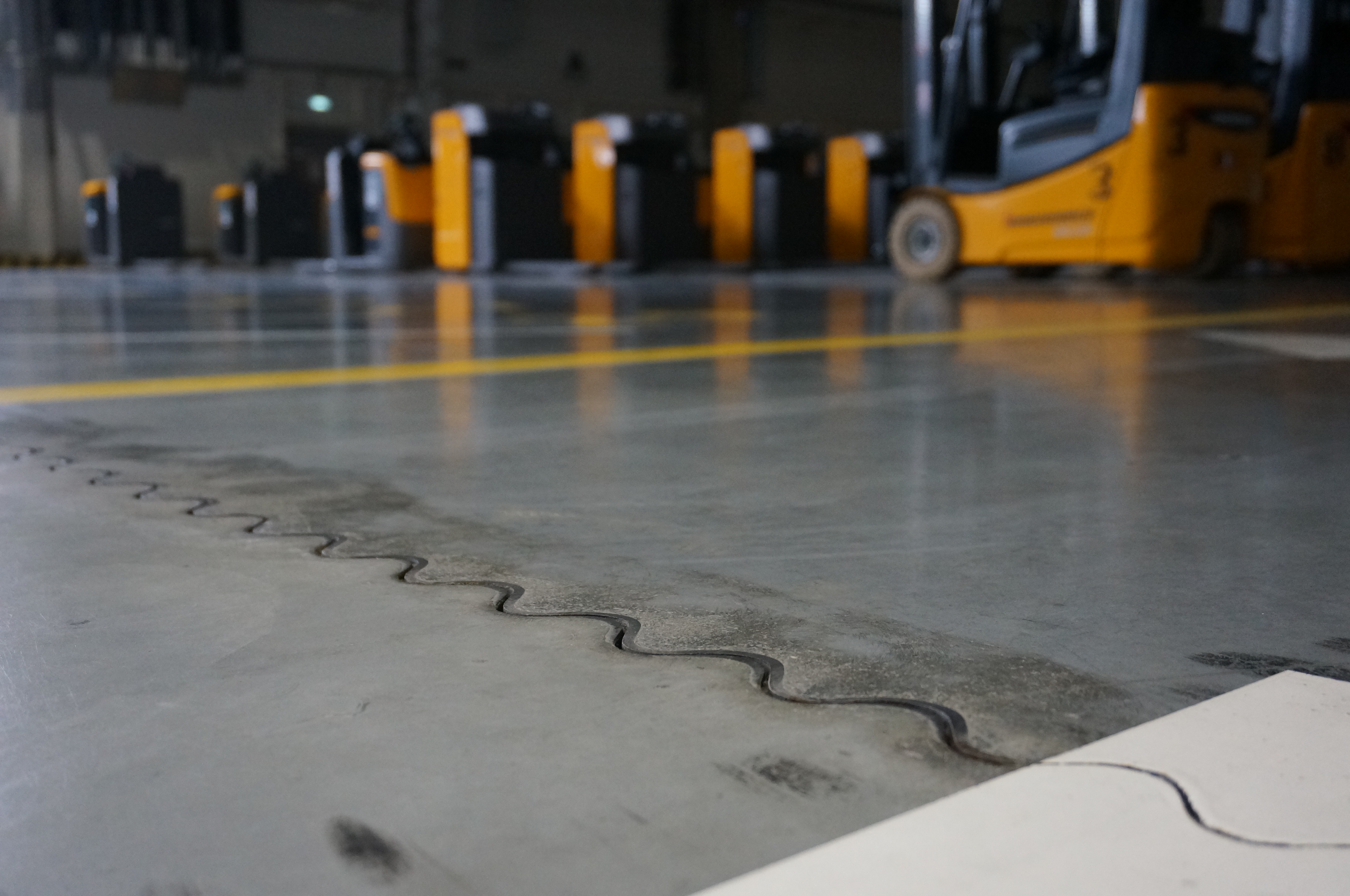
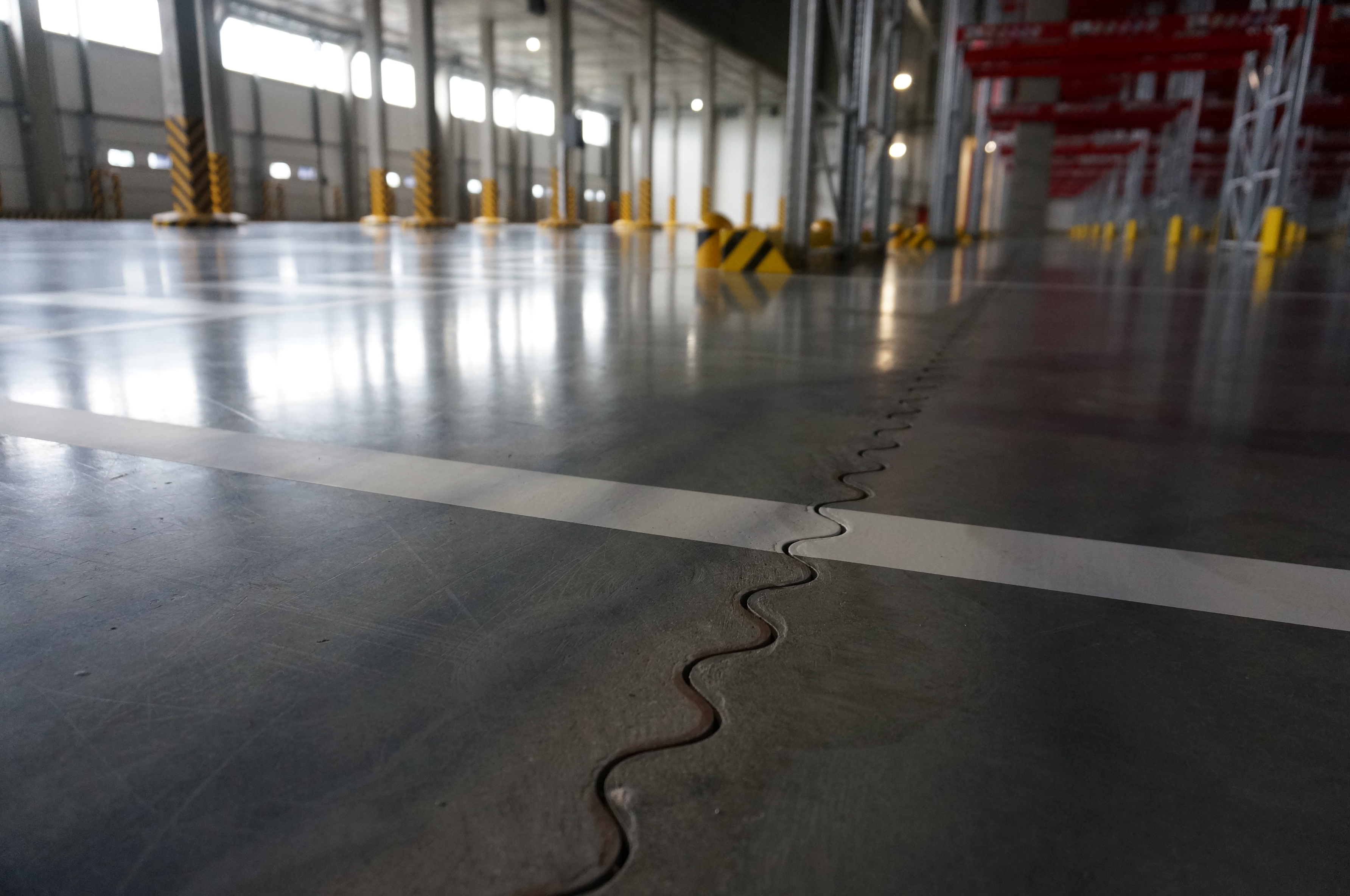
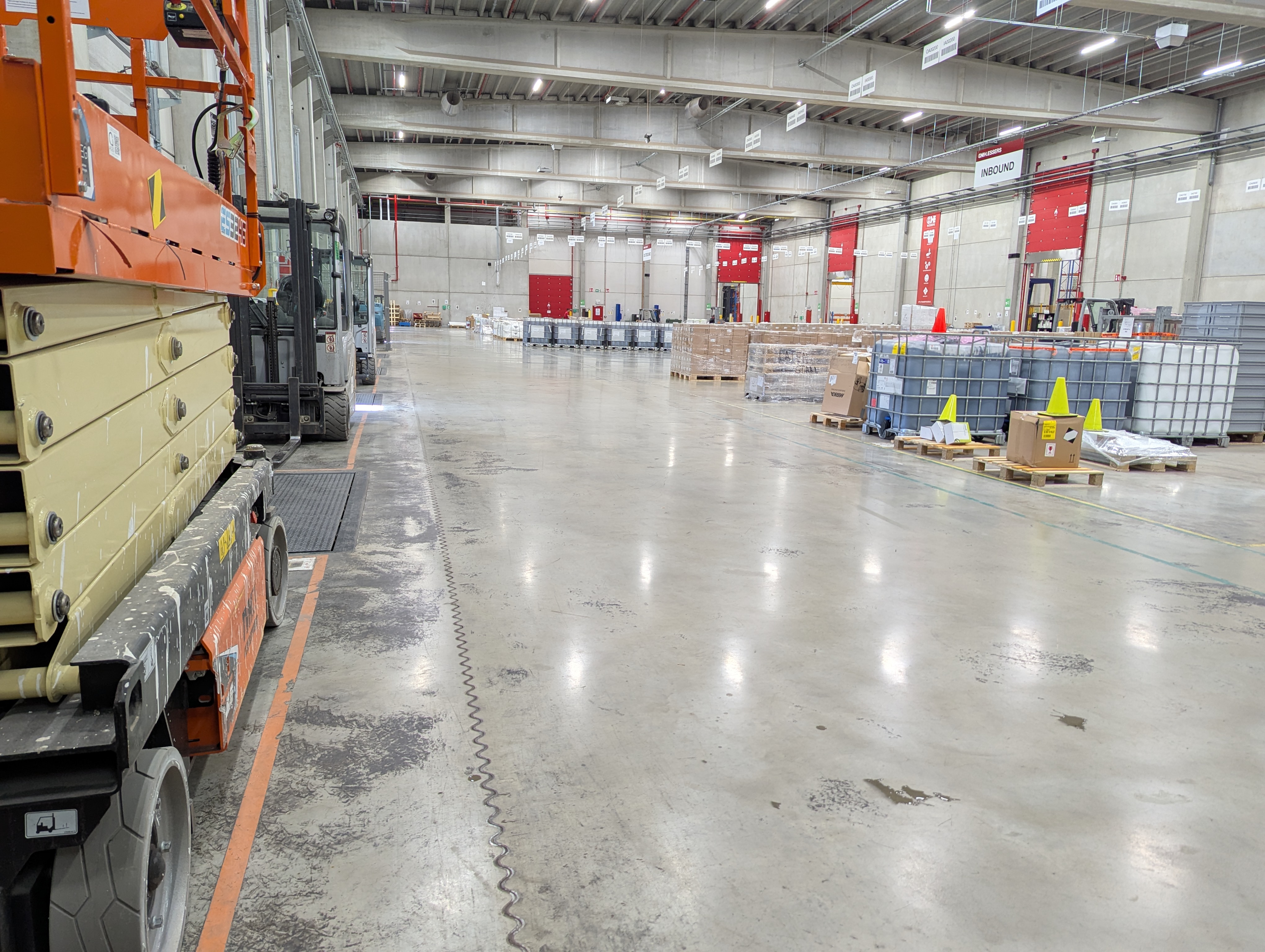
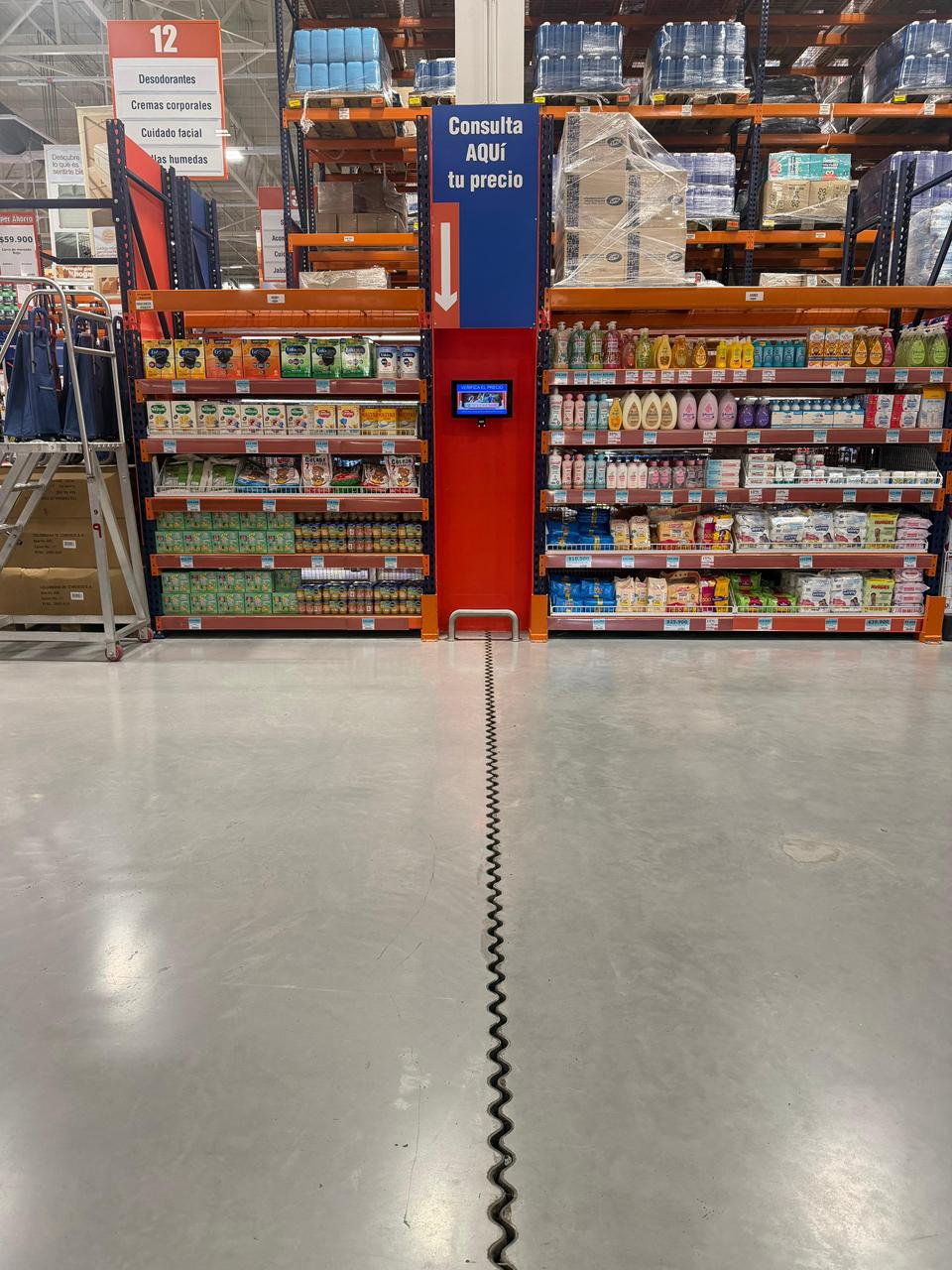
Every day, thousands of tons of dynamic traffic cross concrete floor joints. Our continuous sinusoidal systems eliminate wheel impact, ensuring frictionless crossings and permanent joint protection.

Controlling Dynamic
Load Transfer
The strength of an industrial floor is determined by how its concrete slabs are connected. Discover how HCJ neutralizes wheel impact and distributes extreme loads continuously.
The Problem: Why Traditional Joint Systems Fail Under Load
Straight joint gaps cause immediate wheel shock, while discontinuous dowels cannot prevent slabs from deflecting independently under heavy dynamic loads.
Straight Joint Gap
Straight 90° joints create an unavoidable open gap. Hard polyurethane wheels drop directly into the seam on every pass, chipping concrete edges and damaging wheels.
Discontinuous Dowels
Isolated dowels concentrate loads into single points. As forklifts cross, the loaded slab dips significantly below the adjacent slab, creating a destructive height difference.
Heavy Load Breakdown
A sinus surface profile helps only at light loads. Under heavy dynamic traffic, underlying dowels fail to balance the slabs, concrete crushes around them, and joint failure occurs.